









Putting Pressure on the Oilfield — Not on You

Get on-demand access to oilfield parts through SPM Oilfield Consumables, backed by more than 50 years of experience across North America.

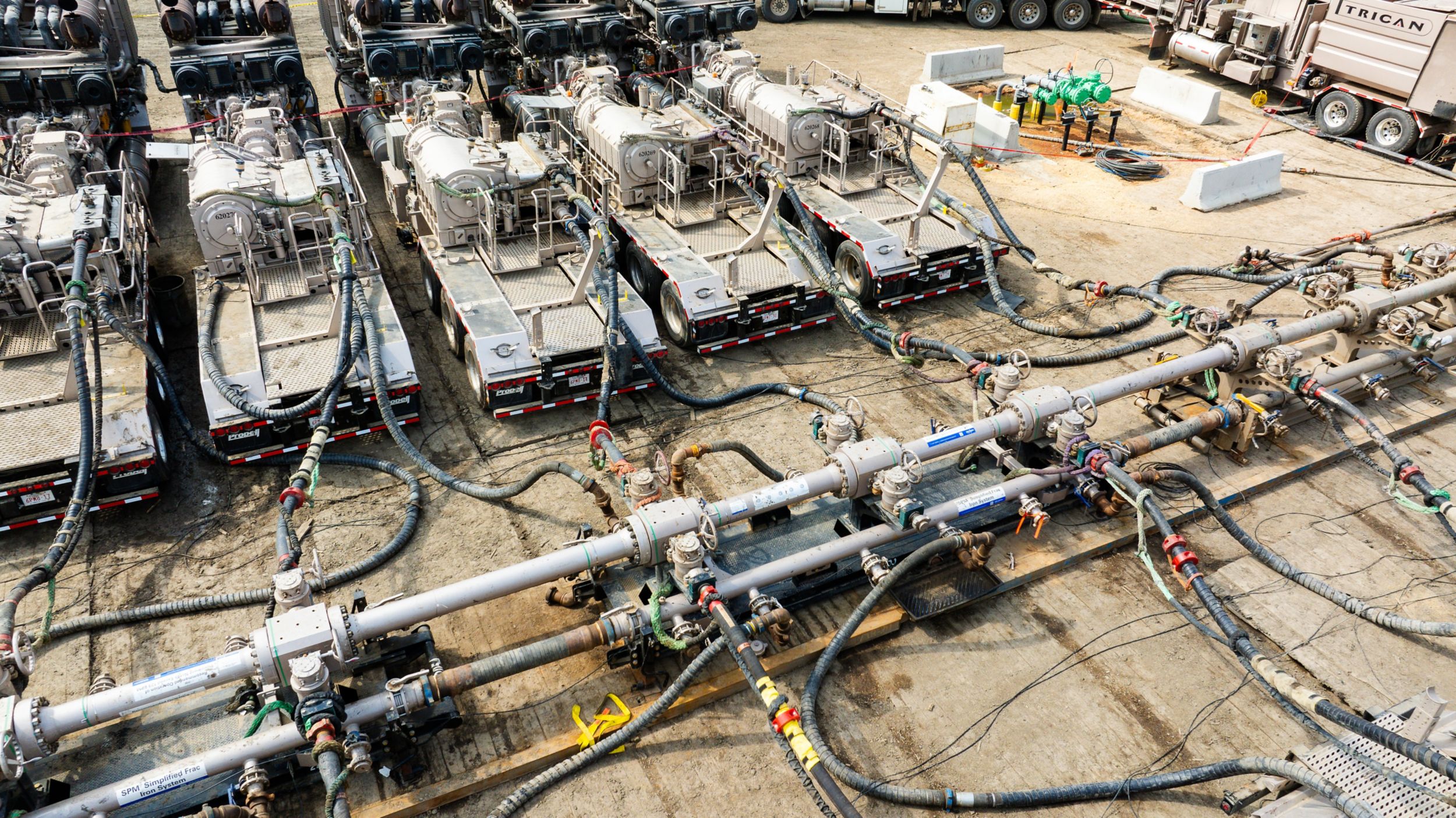
Overhead view of two employees on site using pressure control equipment

Flow control consumables for your site

The products you trust in the right hands—your hands. 

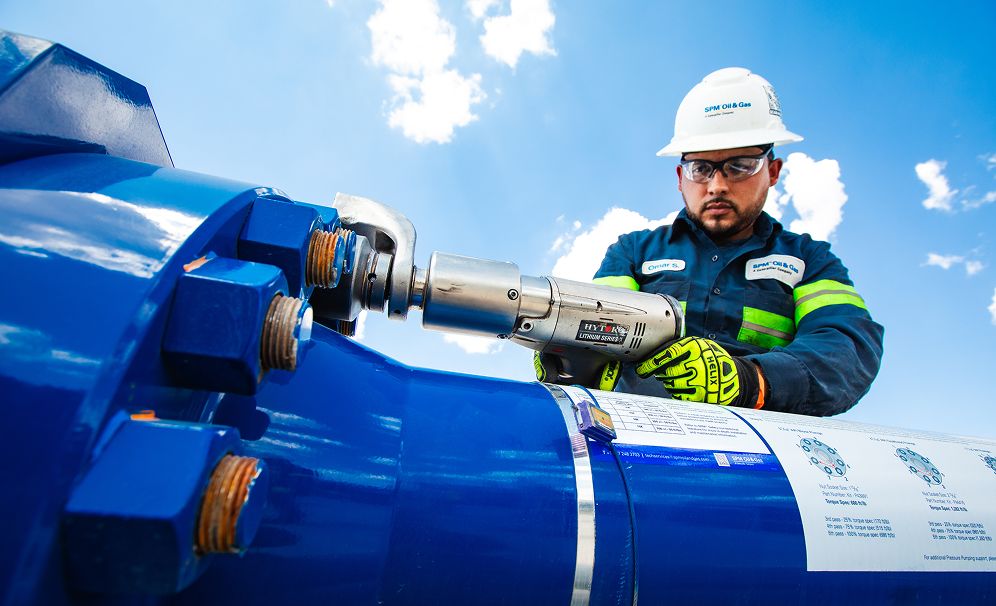
The right products. The right people. The right solutions. We’ve got a complete product line for the well-servicing segment of the oilfield. Whether you need hammer unions, plug valves, swivel joints, pup joints, hose loops, check valves, pressure relief valves or additional high-pressure fittings, the quality and durability of SPM flow control consumables will support all your oilfield operations. Whether you’re drilling, conducting production or well testing, you need a name you can trust.

  • Connect the surface stack: Match pumping tees, adapters, flanges, nipples, and hookup equipment to the required pressure classes, dimensions, threads, and sealing surfaces
  • Manage sealing and wear: Coordinate stuffing-box packing, glands, lubrication products, tubing rotators, and related components around movement, alignment, friction, and fluid conditions
  • Maintain the system: Plan access to seals, packing, adapters, environmental-control equipment, installation accessories, and model-specific replacement components
of


WHY OPERATORS CHOOSE SPM

A component can meet its individual specification and still create problems if it does not match the equipment around it. SPM helps operators evaluate wellhead products and artificial lift consumables as parts of one connected production system.


of

Application-Specific Configurations

Select pressure classes, connection types, materials, packing, tubing sizes, polished-rod sizes, and component configurations around the well.

of

System-Wide Compatibility

Match flow control components to your system’s pressure ratings, connection types, and operating requirements.

of

Support for Existing Equipment

Use qualifying SPM components within an existing production system or establish repeatable configurations across similar wells.


of

Standardized Engineering and Quality

SPM uses standardized drawings, defined specifications, manufacturing-quality processes, testing, and validation to support product consistency.

of

North American Availability

Access available artificial lift equipment through distribution centers and oilfield distributors serving major operating basins across North America.


Configured Around the Well

The correct combination of wellhead equipment and consumable components depends on how the well is completed, produced, operated, and maintained.


Sour and Corrosive Environments

Evaluate materials, packing compounds, trim, coatings, and applicable product requirements for the produced fluid and service environment.


Tubing-Wear Management

Use tubing rotators and related products to distribute concentrated wear created by eccentric rod-string loading and pumping movement.


Rod-Lift System Upgrades

Replace aging equipment, update connections, standardize components, or incorporate SPM products into an existing rod-pumped system.


High-Pressure or High-Temperature Production

Select qualifying wellhead equipment, connections, packing, glands, and seals around the anticipated operating conditions.


Build on the Right Foundation

The wellhead supports and contains the production string while creating the interface for the equipment installed above it. Its configuration must account for the casing program, tubing, suspended load, working pressure, connection requirements, and production method.

SPM offers tubing heads, casing heads, hangers, and related equipment across multiple pressure classes and connection configurations. Available slip- and mandrel-style designs support different production requirements.

Available Equipment

  • W2 profile tubing heads
  • WK, WMK, and WSK tubing heads
  • WR, WMR, and WSR tubing heads
  • W92 casing heads
  • WX compact tubing heads
  • Slip-style suspension options
  • Mandrel-style suspension options
  • Threaded, slip-on-weld, and flanged connections
  • Application-specific side outlets and adapters


Best Fit For

  • New production-well configurations
  • Rod-pumped wells
  • Existing wellhead replacement
  • Changes to tubing or casing requirements
  • Flanged or threaded equipment transitions
  • Qualifying plunger-lift or velocity-string applications
  • Operators standardizing wellhead configurations


Specify Every Connection With Confidence

Talk with an SPM expert about your wellhead, tubing, pressure, polished rod, connections, packing, wear patterns, environmental controls, and replacement-part requirements.

Talk to an Expert
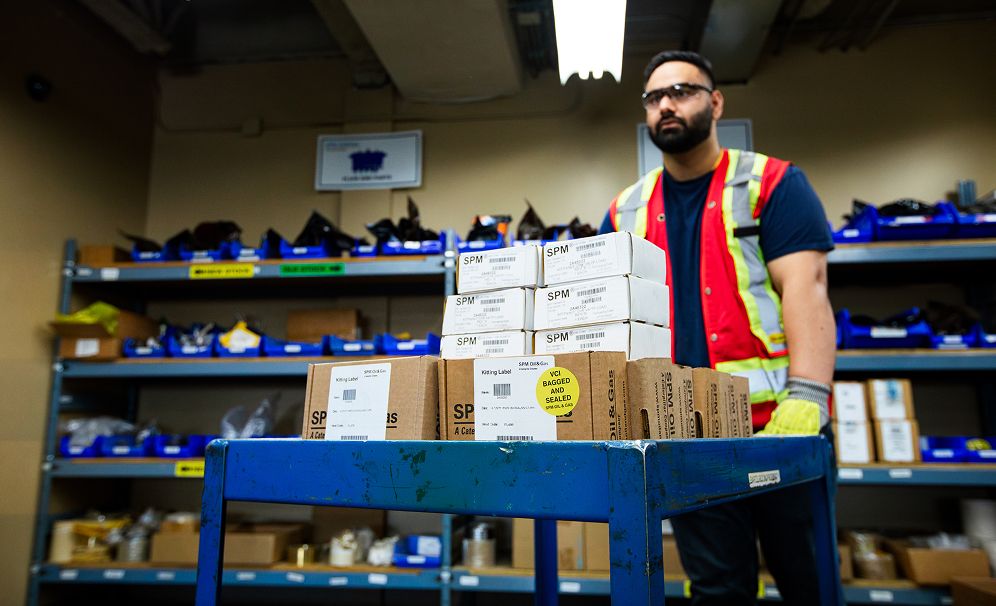
Three workers standing in a warehouse with their shadows cast across the floor


Frequently Asked Questions        


This page covers wellheads, tubing and casing heads, wellhead adapters, flow and pumping tees, tubing rotators, stuffing-box packing, glands, lubrication equipment, environmental controls, installation accessories, and related replacement components.

The Artificial Lift Equipment page covers the primary products used to operate and control the rod-lift surface system: stuffing boxes, rod blowout preventers, rod rotators, and polished-rod clamps.

This page covers the wellhead equipment, connection products, replaceable sealing materials, and maintenance components that support and complete that system.

A tubing head supports and contains the production tubing while creating the connection between the casing, tubing, and equipment installed above the wellhead. Selection depends on pressure, suspended load, tubing size, suspension method, and connection requirements.

A flow tee redirects produced fluids and gas into the flow line or holding equipment. A stuffing box creates the dynamic seal around the moving polished rod. Some equipment configurations may combine sealing and flow-routing functions.

A tubing rotator turns the tubing string to distribute wear around its circumference. A rod rotator turns the rod string to distribute contact across the rods, couplings, and tubing. They address related wear concerns but act on different parts of the system.

Yes. SPM offers flow control equipment rentals as part of its pressure control solutions. Contact your local SPM service center to discuss available equipment and support for your location and application.